
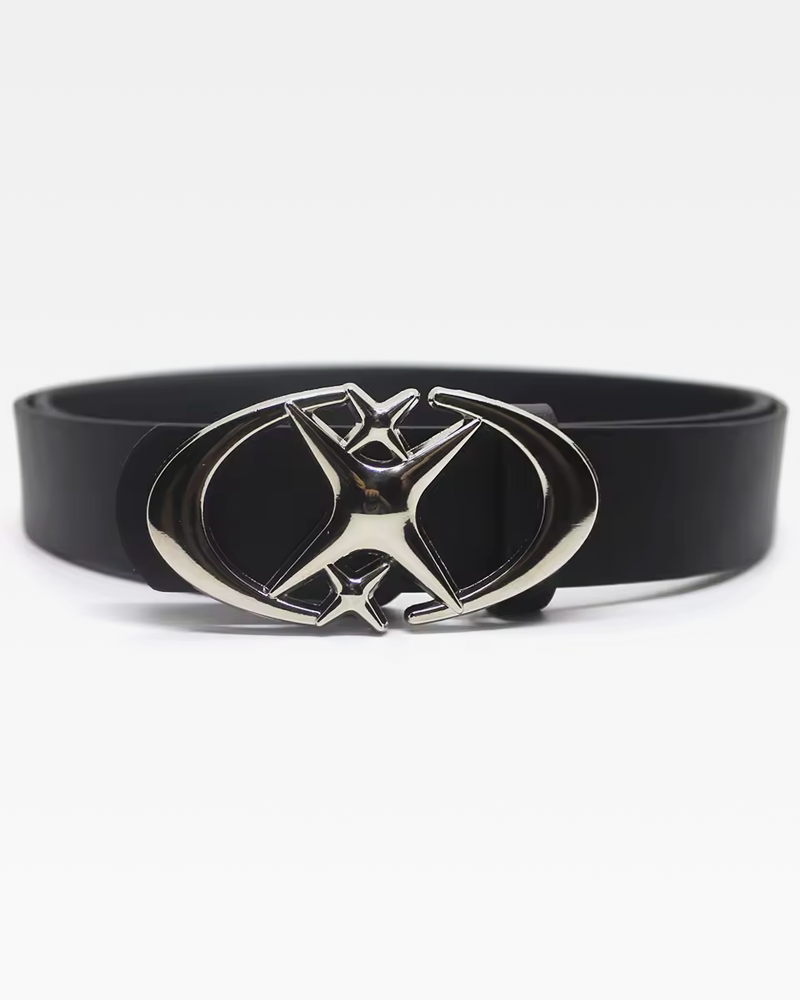
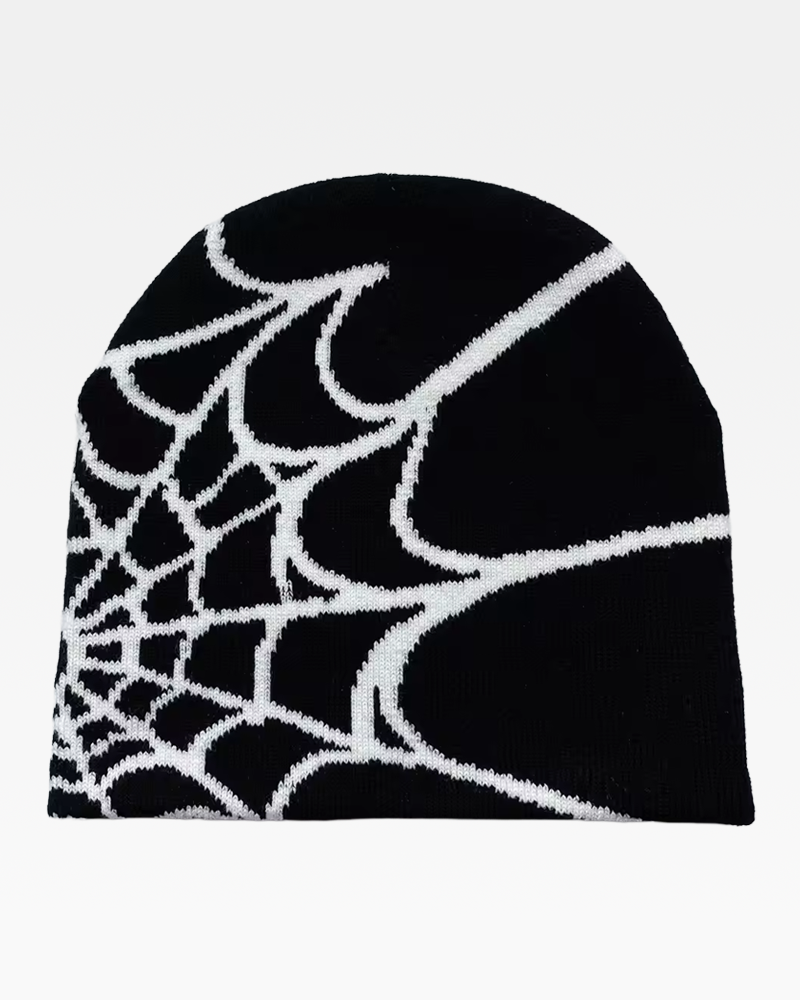
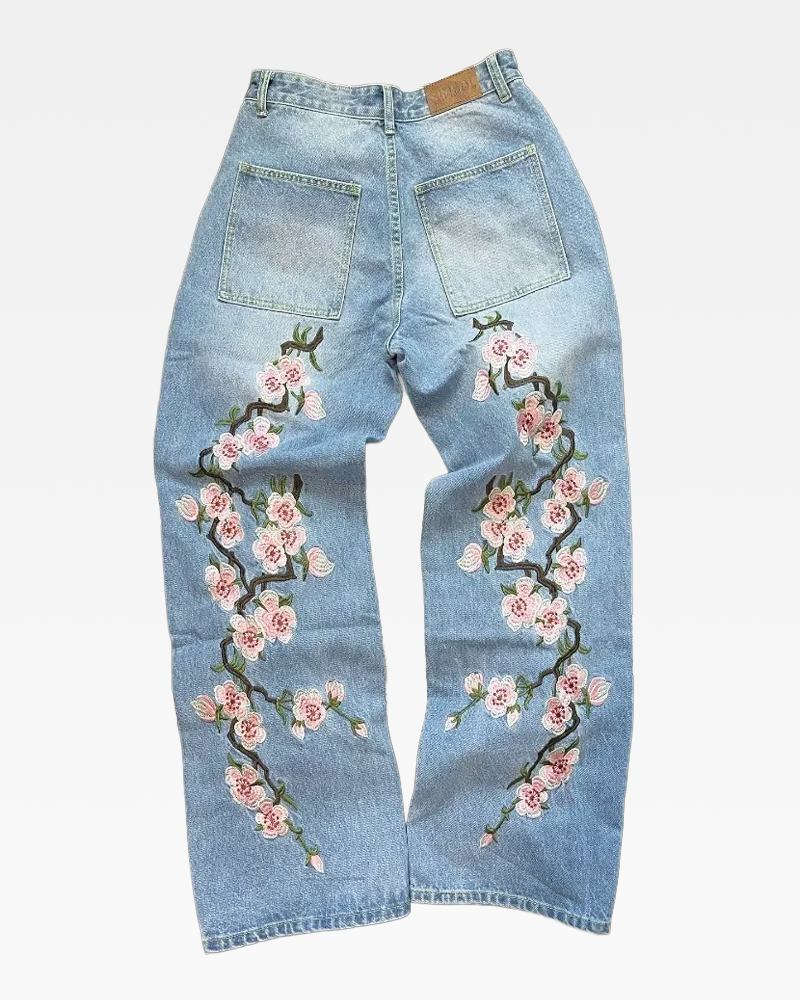
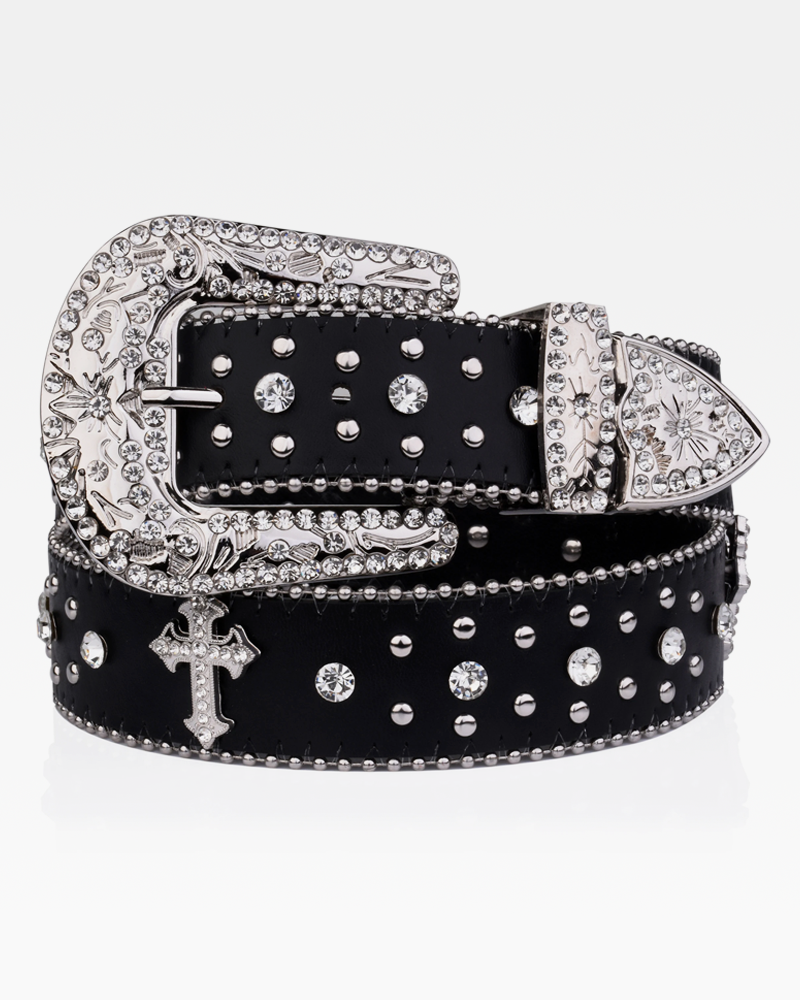


Y3K is a term that has been increasingly used across fashion, digital art, and online aesthetics. Often mentioned alongside Y2K, it is sometimes framed as its successor. But unlike Y2K, Y3K is not tied to a real historical moment, a lived era, or a concrete cultural event. It is a speculative aesthetic, built around the idea of an extremely distant future.
Rather than referencing the past, Y3K imagines what comes after nostalgia. A future not anchored in memory, but projected far beyond it.
Where the Term Y3K Comes From
Y3K stands for "Year 3000." The name itself makes the intention explicit. While Y2K was directly connected to the year 2000 and the technological anxiety surrounding it, Y3K removes itself entirely from real-world timelines. It does not describe a bug, a transition, or a historical fear.
The term emerged online, primarily within aesthetic-driven communities on platforms like Pinterest, TikTok, and visual culture forums. It was used to label visuals that felt more futuristic than Y2K, without relying on retro references. Y3K does not look backward. It imagines a future so distant that it cannot be measured against reality.
There is no official origin, no founding manifesto, and no single creator. Y3K exists as a shared internet label, a way to group together visuals and concepts that feel radically future-facing.

Y3K vs Y2K: A Structural Difference
Y2K and Y3K are often compared, but they are fundamentally different in nature.
Y2K is retrofuturistic. It reflects how people in the late 1990s and early 2000s imagined the future. It is optimistic, playful, and highly visual. Chrome, plastic, bright colors, visible technology, and exaggerated digital elements define its look. Y2K is deeply rooted in pop culture, celebrity imagery, and early internet design.
Y3K is speculative futurism. It does not reinterpret the past. It imagines a future shaped by artificial intelligence, virtual identity, and post-human concepts. Where Y2K celebrated technology, Y3K often treats it as abstract, distant, or unsettling.
If Y2K represents excitement toward the future, Y3K reflects uncertainty about it.
The Visual Codes of the Y3K Aesthetic
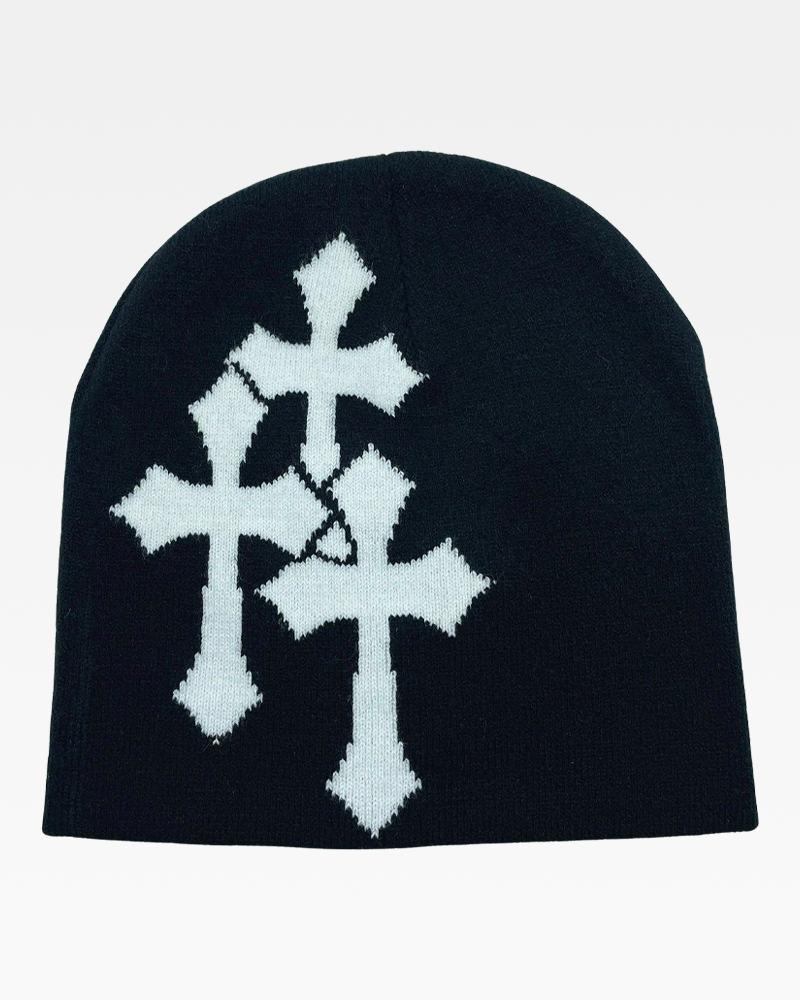
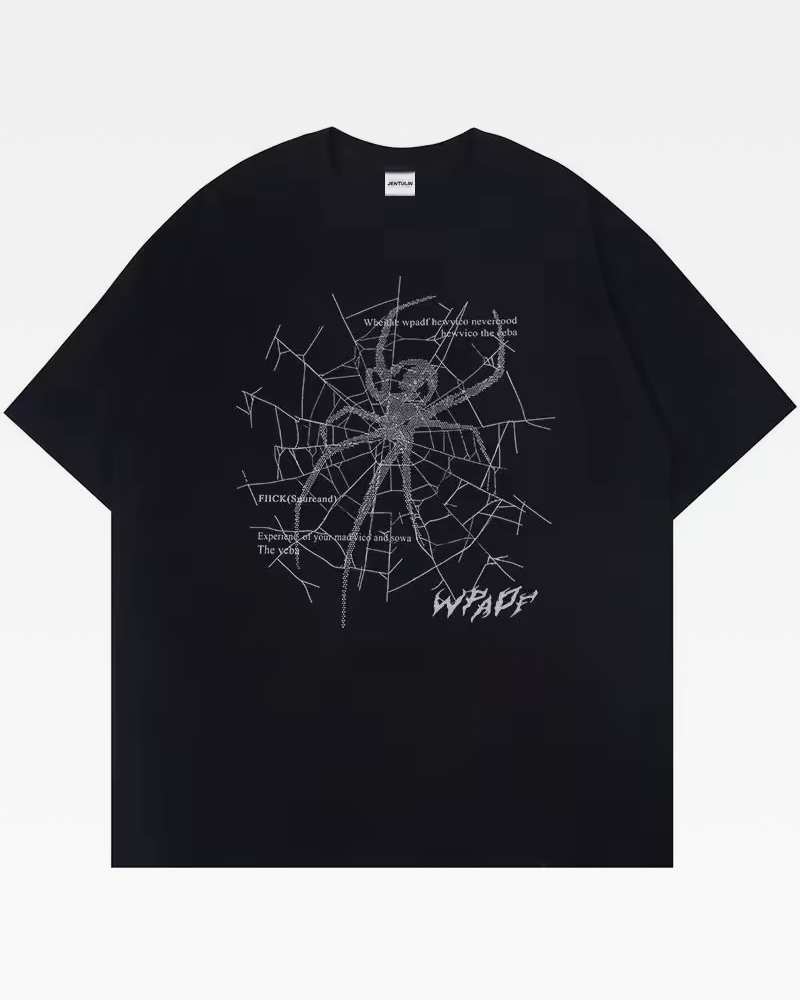
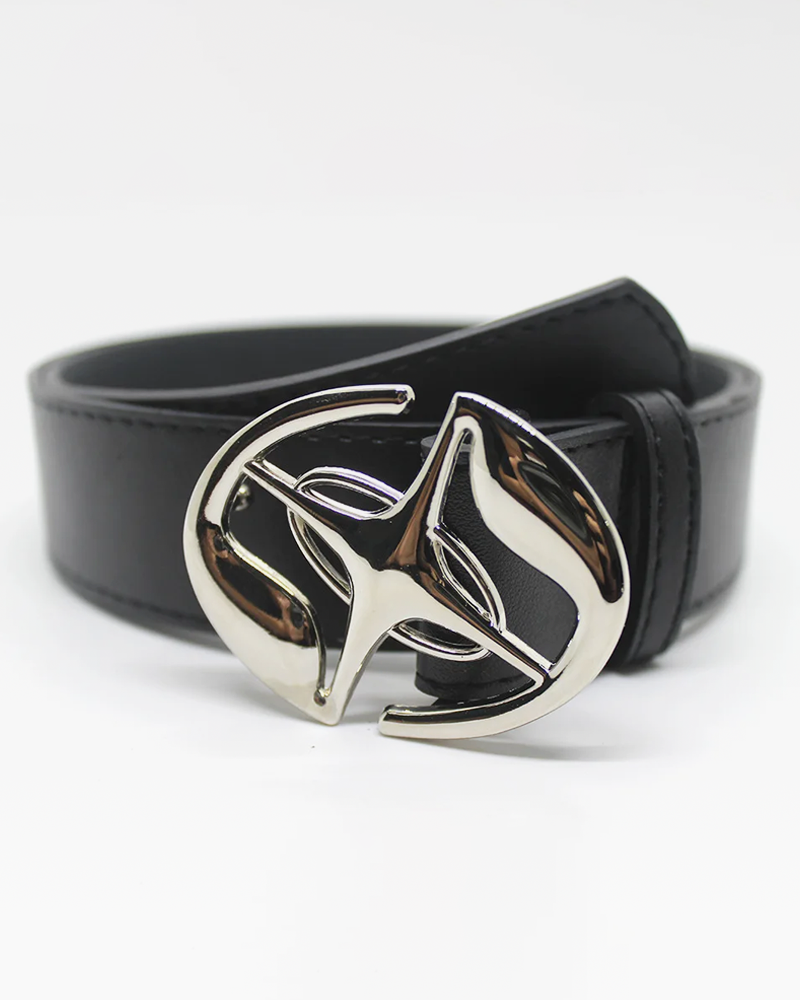
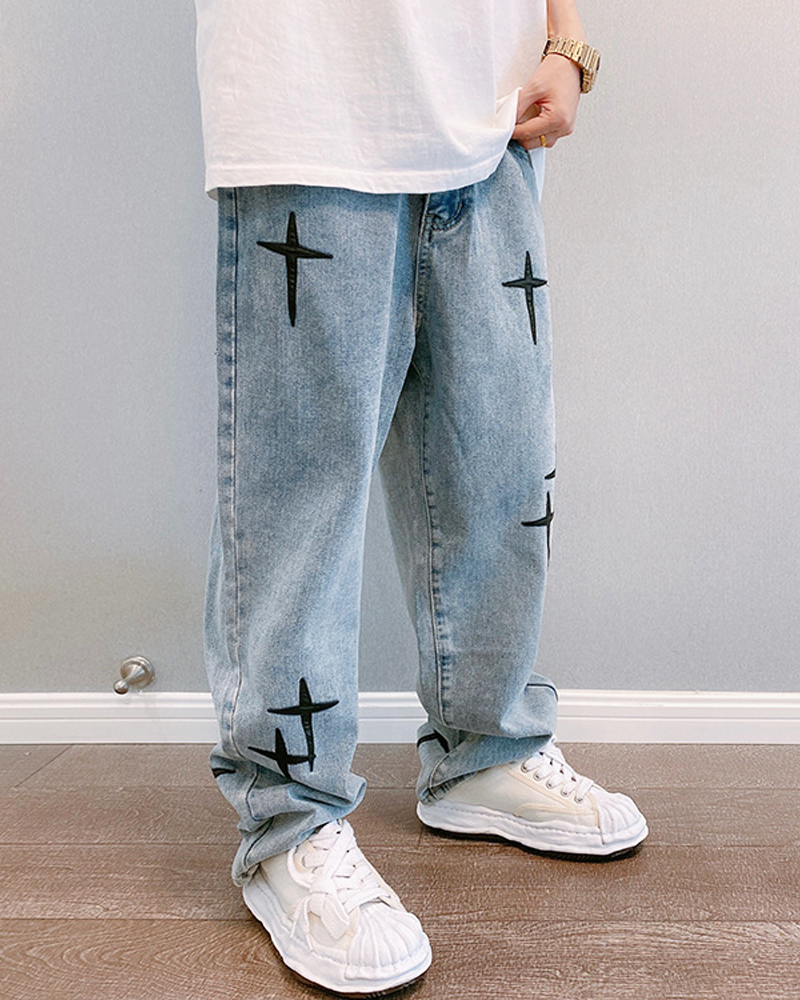
Visually, Y3K moves away from the glossy excess of Y2K. Color palettes are darker and more restrained. Black, silver, gunmetal, muted grays, and synthetic tones dominate. Surfaces often appear matte, liquid, or industrial rather than shiny and playful.
Silhouettes are either extremely minimal or aggressively experimental. Clothing may look armored, sculptural, distorted, or almost alien. In many interpretations, the human body is no longer the central reference point. Fashion feels designed for altered bodies, digital avatars, or environments where physical presence is secondary.
Technology in Y3K aesthetics is rarely literal. There are no keyboards, cables, or screens. Instead, the influence comes from artificial intelligence, virtual worlds, simulations, and post-human imagination. Y3K visuals often feel detached from everyday life, intentionally unfamiliar.

How Fashion and Pop Culture Popularized Y3K
While Y3K emerged as an internet-born aesthetic label, its visibility increased significantly through fashion and pop culture. Avant-garde fashion brands, experimental designers, and digital artists began using the term to describe concepts that went beyond retrofuturism.
Pop culture, particularly K-pop and J-pop, played a major role in amplifying the aesthetic. Music videos, stage designs, and promotional visuals embraced hyper-futuristic, almost inhuman imagery. Groups like aespa and XG are frequently cited in discussions around Y3K visuals due to their use of virtual avatars, AI narratives, synthetic styling, and post-human concepts.
In these contexts, Y3K is less about clothing alone and more about world-building. It becomes a visual language used to suggest futurity, distance, and technological dominance. Fashion, performance, and digital identity merge into a single aesthetic direction.
Why Y3K Exists Now
Y3K reflects a shift in how the future is perceived today.
In the late 1990s, technology symbolized progress and excitement. In the 2020s, it is associated with surveillance, algorithms, artificial intelligence, and loss of control. The future no longer feels bright or playful. It feels abstract, uncertain, and difficult to visualize.
Y3K captures that emotional shift. It is not openly dystopian, but it is not optimistic either. It imagines a future that feels distant, cold, and undefined. A future without clear promises.

Conclusion
Y3K is not a real era and not a cultural movement in the traditional sense. It is an internet-born aesthetic concept used to imagine a far, speculative future. Unlike Y2K, which reflects nostalgia and optimism, Y3K reflects distance, abstraction, and uncertainty.
It exists at the intersection of digital culture, avant-garde fashion, and pop imagery. Y3K does not try to predict the future. It visualizes how unclear the future feels. And that is precisely why the term exists.

