



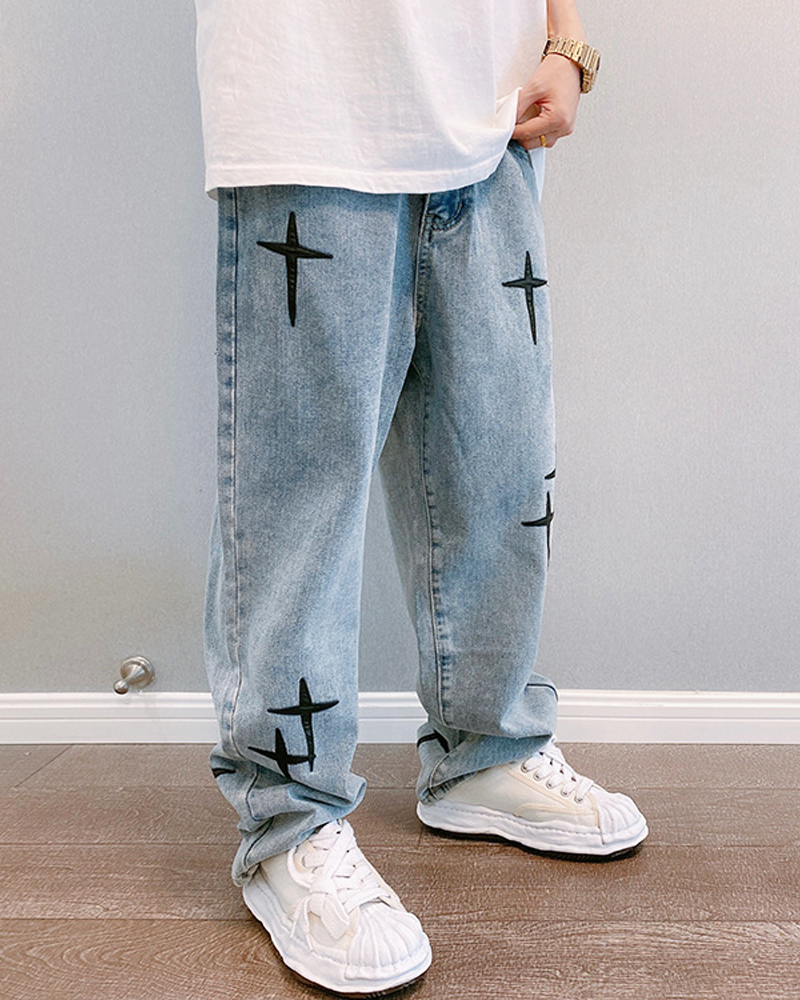


Y2K aesthetics have a strange effect. At first glance, they look futuristic, shiny, and obsessed with technology. But at the same time, they feel unmistakably outdated. One look at chrome textures, translucent plastics, or low-resolution digital graphics, and you immediately know this vision of the future comes from the past. This contradiction is exactly what makes Y2K so fascinating today. It represents a future that once felt close, exciting, and inevitable, but now feels distant and slightly naive.
A Future Imagined, Not Predicted
At the end of the 1990s, the year 2000 carried a powerful symbolic weight. It was not just a new year, but a new era. Technology was advancing fast, the internet was entering everyday life, and digital culture felt limitless. People imagined the future using the tools and references they already had.
Y2K was never about predicting the future accurately. It was about imagining it emotionally. Designers, brands, and pop culture translated excitement and uncertainty into visual form. Screens, buttons, cables, and machines became aesthetic inspiration. The future was imagined as something loud, visible, and dramatic, not subtle or invisible.

Visual Codes That Screamed "Tomorrow"
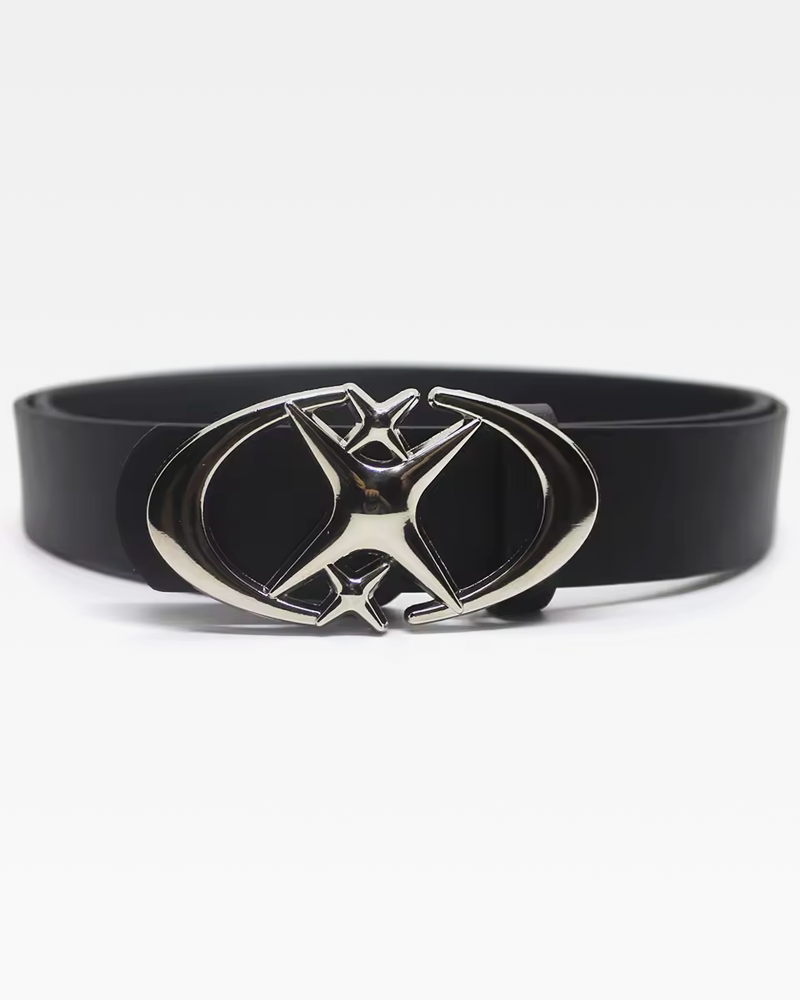
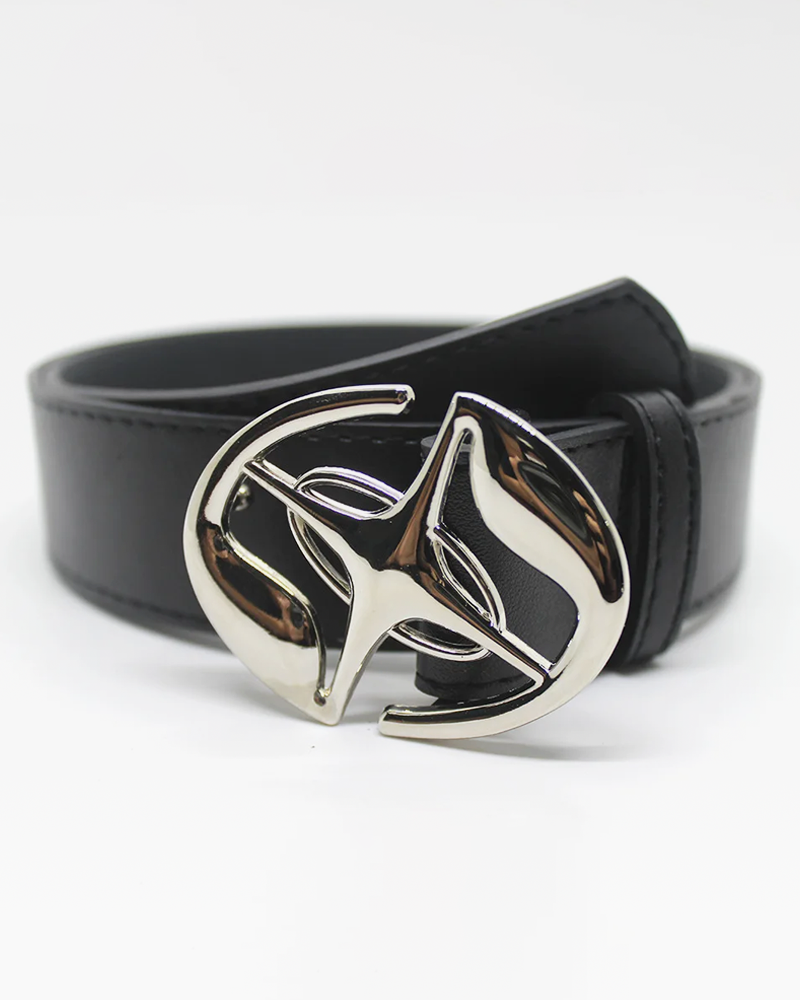
Y2K design relied on visual exaggeration. Chrome finishes, glossy plastics, bright metallic colors, and transparent materials were everywhere. Fonts looked digital and rounded. Clothing and objects appeared molded, artificial, and sometimes impractical.
These choices were meant to signal progress. The more synthetic something looked, the more futuristic it felt. Everything was designed to look new, high-tech, and advanced. The problem is that these codes were extremely specific. Once technology evolved beyond them, they became frozen in time. What once screamed "tomorrow" now clearly says "early 2000s".
Why Y2K Feels Dated Today
Y2K feels outdated because it is tied to a version of technology that no longer exists. Bulky computers, wired devices, visible hardware, and flashy interfaces are no longer part of daily life. Today's technology is flat, smooth, and almost invisible.
When we look back at Y2K visuals, we see the limits of the era's imagination. The future did not arrive with chrome laptops and glowing buttons. It arrived with minimal design, touchscreens, and silent systems. The gap between what was expected and what actually happened makes Y2K feel obsolete, even when it tries to look futuristic.

When the Real Future Took a Different Path
The real future turned out to be quieter and cleaner than the Y2K vision. Instead of visual overload, modern design values simplicity and efficiency. Interfaces are stripped down. Devices disappear into everyday objects. Technology blends into the background.
This is where Y2K becomes interesting again. It represents an alternative future, one that never happened. A future that was optimistic, expressive, and visually loud. That contrast makes Y2K feel both wrong and refreshing. It shows a moment when people still believed technology would look exciting, not invisible.
Why This Contrast Makes Y2K So Appealing
Y2K's appeal comes from this exact tension. It is futuristic in intention, but outdated in execution. It reminds us of a time when the future felt playful rather than abstract. When technology inspired imagination instead of anxiety.
Today, Y2K works as a visual escape. It offers a version of the future that feels human, flawed, and full of personality. A future that did not come true, but still looks fun to revisit. That is why Y2K continues to resonate. Not because it predicted the future, but because it captured a feeling we no longer have.

