
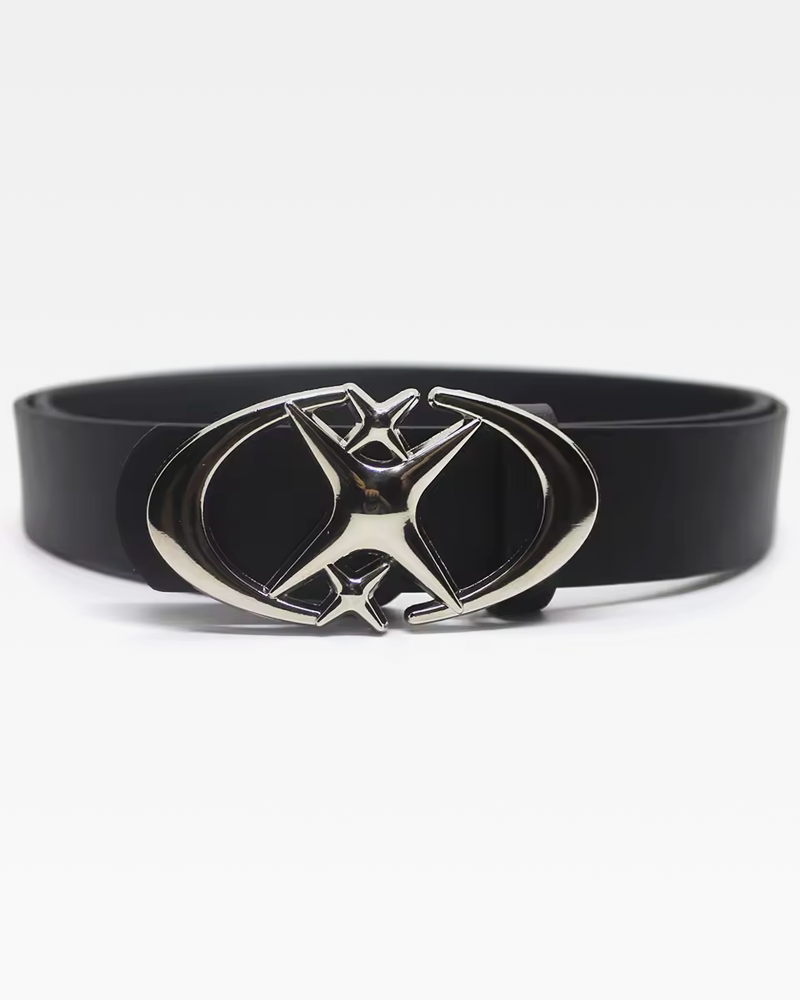


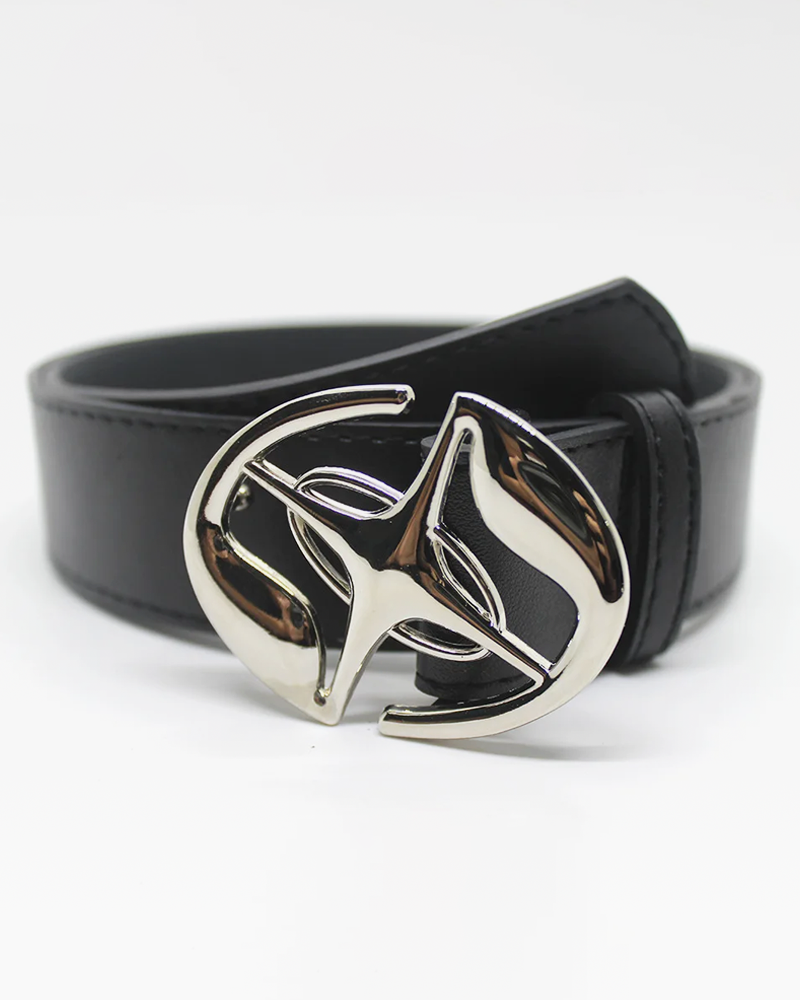
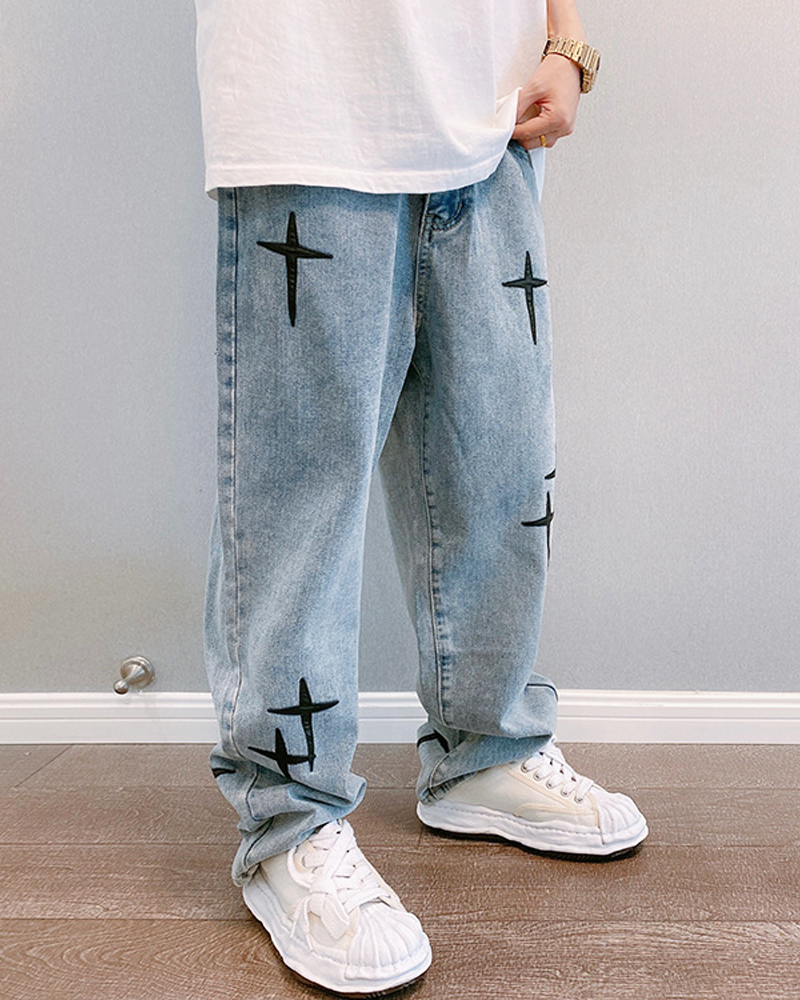


When people think of Y2K, they often picture low-rise jeans, flip phones, and glittery pop stars. But there's another side of the era that has become just as influential: Y2K Futurism. Also known as Cyber Y2K or the original Y2K aesthetic, this visual style captured how people between 1997 and 2004 imagined the future. It was optimistic, technology-driven, and full of shiny materials, futuristic gadgets, and digital-inspired design. Today, Y2K Futurism is making a strong comeback across fashion, graphic design, and social media. But what exactly is it?
The Origins of Y2K Futurism
Y2K Futurism emerged during a unique moment in history. As the world approached the year 2000, technology was evolving at an incredible pace. The internet was becoming part of everyday life, mobile phones were shrinking, and companies were racing to introduce futuristic products.
Rather than fearing technology, many people embraced it. This optimism created what is often described as a techno-utopian vision of the future. Designers imagined a world where technology would make life cleaner, smarter, and more exciting.
Several cultural moments helped shape this aesthetic. The dot-com boom introduced a new digital economy, Apple's colorful iMac G3 completely changed consumer electronics design, and advances in CGI made futuristic visuals more accessible than ever. Together, they created a distinctive visual language that became known as Y2K Futurism.
The Signature Elements of Y2K Futurism

Y2K Futurism is instantly recognizable because of its bold design choices. Unlike today's minimalist technology, this aesthetic celebrated technology by making it highly visible.
Chrome surfaces were everywhere, giving products and visuals a sleek, metallic appearance. Transparent plastics became a symbol of innovation, allowing people to see inside electronic devices. Rounded shapes replaced sharp edges, creating soft, organic forms that felt both futuristic and approachable.
The color palette also became one of the aesthetic's defining features. Silver, icy blue, glossy white, and bright citrus colors like lime green and vibrant orange dominated everything from product design to advertising. These colors reinforced the idea of a clean, digital future.
Computer-generated imagery, often described as "blobby CGI," became another signature element. Liquid chrome objects, reflective spheres, abstract organic shapes, and floating digital environments appeared in commercials, album covers, and magazine ads. At the time, these effects looked incredibly advanced and helped reinforce the futuristic atmosphere.
Together, these elements created an optimistic vision of tomorrow that was both playful and highly stylized.
Where You Can See Y2K Futurism

One of the reasons Y2K Futurism remains so recognizable is because it appeared everywhere during the late 1990s and early 2000s.
Consumer electronics are among the best examples. Apple's translucent iMac G3, colorful gaming consoles, Nokia mobile phones, and transparent accessories perfectly captured the era's obsession with futuristic design.
The aesthetic was equally present in advertising. Brands like Sony, Panasonic, and Samsung promoted new technology using chrome graphics, glowing interfaces, floating objects, and CGI-heavy visuals that made everyday products feel like they came from the future.
Music videos also embraced the trend. Pop artists such as Kylie Minogue, Britney Spears, and Jennifer Lopez regularly appeared in metallic outfits, futuristic sets, and digitally enhanced environments. Their visuals reflected the same techno-optimistic spirit that defined the era.
Cinema followed a similar path. Films like The Matrix, Minority Report, and A.I. Artificial Intelligence explored futuristic worlds filled with sleek technology, digital interfaces, and speculative design. Although each film had its own style, they all contributed to the visual identity associated with Y2K Futurism.
Why Y2K Futurism Is Trending Again

More than two decades later, Y2K Futurism is experiencing a major revival. Platforms like TikTok, Pinterest, and Instagram have introduced the aesthetic to a new generation that never experienced the original era.
Fashion designers are revisiting metallic fabrics, reflective accessories, and futuristic silhouettes. Graphic designers are bringing back chrome typography, glossy gradients, and early CGI-inspired visuals. Even product designers have begun experimenting with translucent materials and colorful plastics reminiscent of the early 2000s.
Part of the appeal comes from nostalgia, but another reason is contrast. Today's technology is intentionally minimal. Smartphones are flat, interfaces are simple, and most devices are designed to disappear into everyday life. Y2K Futurism offers the opposite. It celebrates technology as something exciting, expressive, and impossible to ignore.
That optimistic vision still resonates with many people looking for a more imaginative version of the future.
Conclusion
Y2K Futurism is more than a nostalgic design trend. It is the visual expression of how people between 1997 and 2004 imagined the future. Shaped by the internet boom, early digital technology, and techno-utopian optimism, it combined chrome surfaces, translucent plastics, bold colors, and futuristic CGI into one unmistakable aesthetic.
Although the real future turned out differently, Y2K Futurism continues to inspire fashion, graphic design, product design, and digital culture. It remains one of the most iconic visual movements of the early 2000s, proving that sometimes the future people imagined can be just as influential as the one that actually arrived.

