



Few garments are as closely associated with Y2K fashion as low-rise jeans. Sitting below the natural waist and often paired with baby tees, crop tops, or fitted tank tops, they created one of the most recognizable silhouettes of the early 2000s.
After dominating fashion for years, low-rise denim gradually disappeared as higher waistlines took over. Yet two decades later, the trend has returned, driven by the revival of Y2K style and a renewed interest in 2000s pop culture. So how did low-rise jeans become so popular, why did they fall out of fashion, and what brought them back?
How Low-Rise Jeans Took Over the 2000s

Low-rise pants existed before the Y2K era, but their popularity exploded around the turn of the millennium. Fashion was moving toward silhouettes that emphasized the midriff, and lowering the waistband created the perfect proportions for the tiny tops that were becoming increasingly popular.
Celebrities played a major role in spreading the trend. Britney Spears, Christina Aguilera, Paris Hilton and other stars regularly appeared in low-rise denim in music videos, magazines and public appearances. With celebrity fashion receiving enormous media attention, these outfits quickly influenced mainstream style.
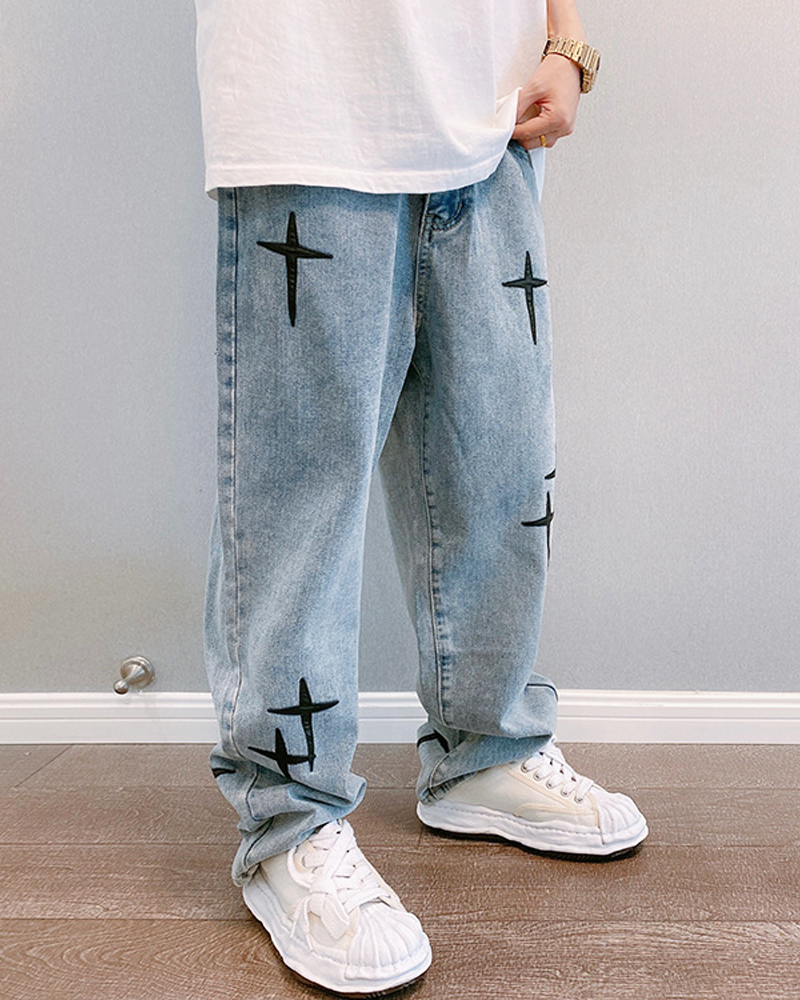
There was no single type of low-rise jean. Flared and bootcut models became particularly characteristic of the period, while baggy versions reflected the influence of hip-hop and streetwear. Some designs featured extremely low waistlines, while others offered a more wearable interpretation of the trend.
Low-rise jeans were frequently combined with crop tops, halter tops and baby tees, leaving the midriff visible and creating the distinctive proportions now immediately associated with Y2K fashion.
Why They Became a Y2K Fashion Icon
The success of low-rise jeans cannot be separated from the broader fashion culture of the early 2000s. Clothing became increasingly playful and experimental, with unusual proportions, bold accessories and highly visible branding.
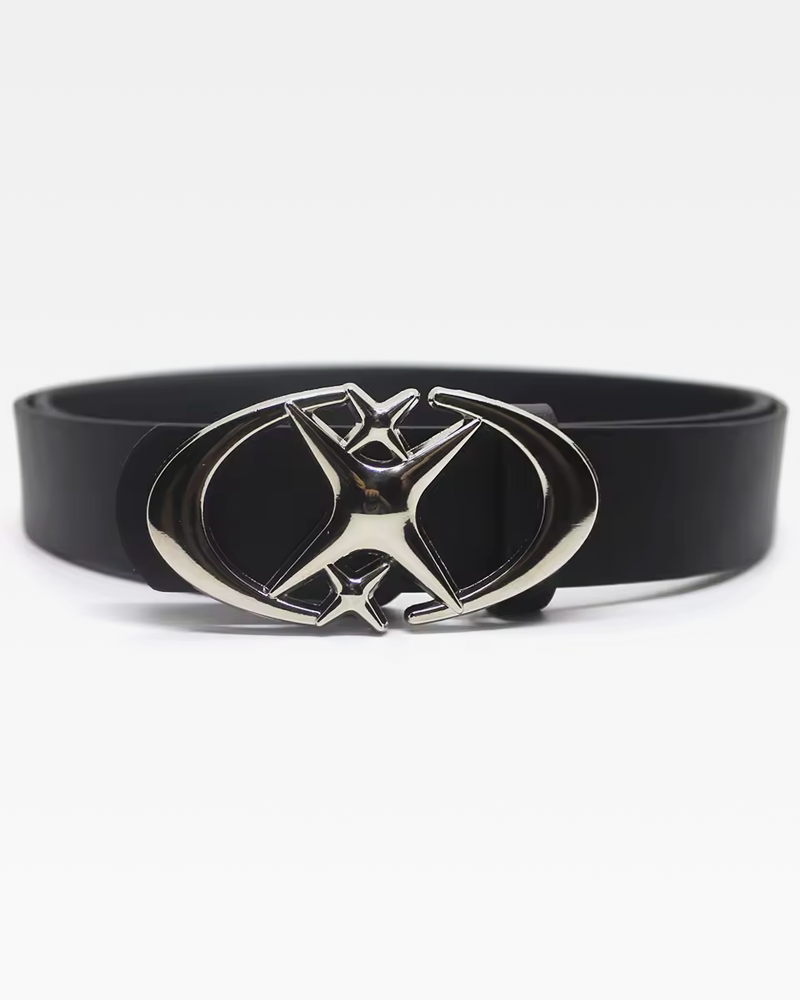
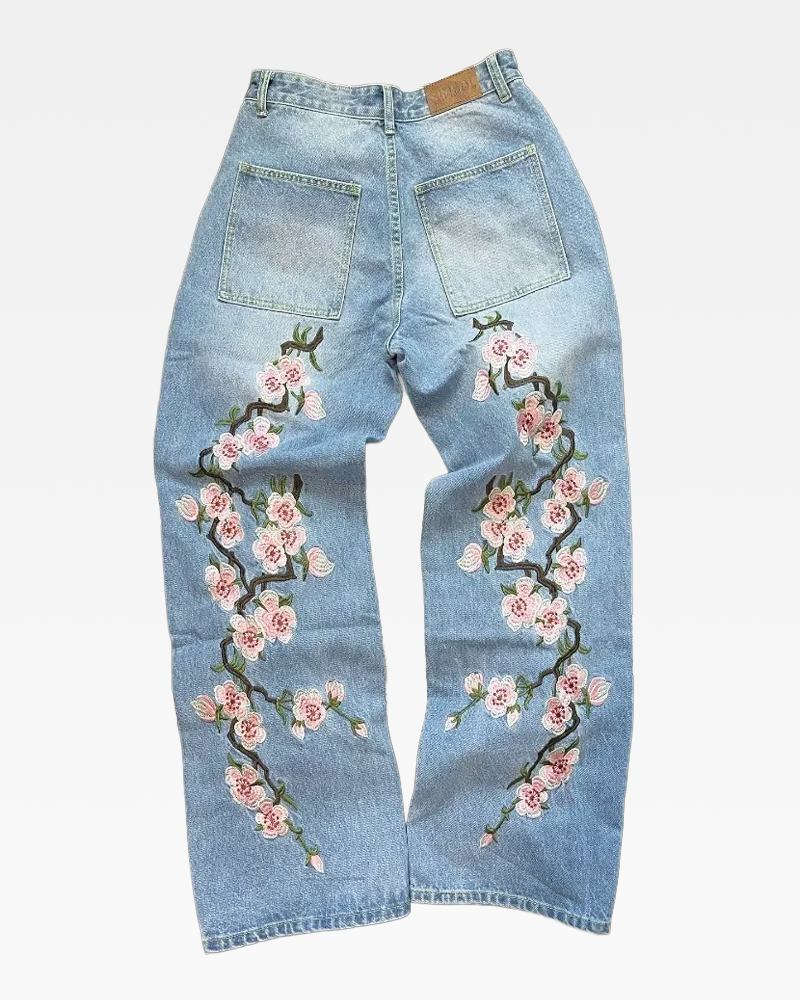
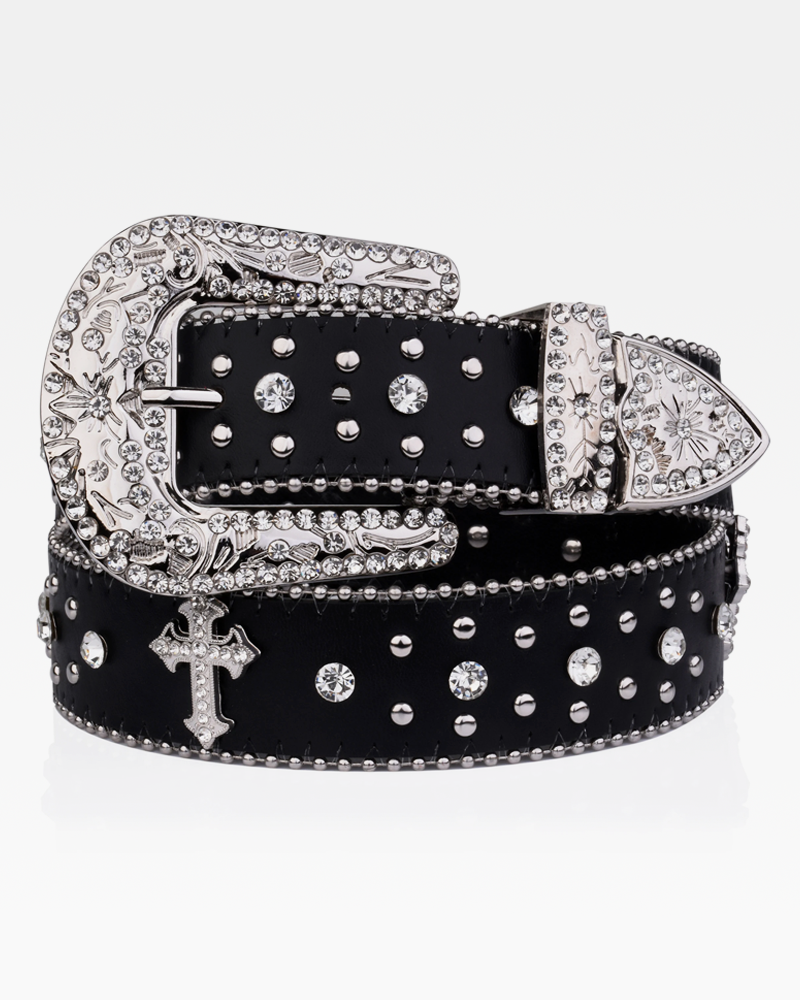
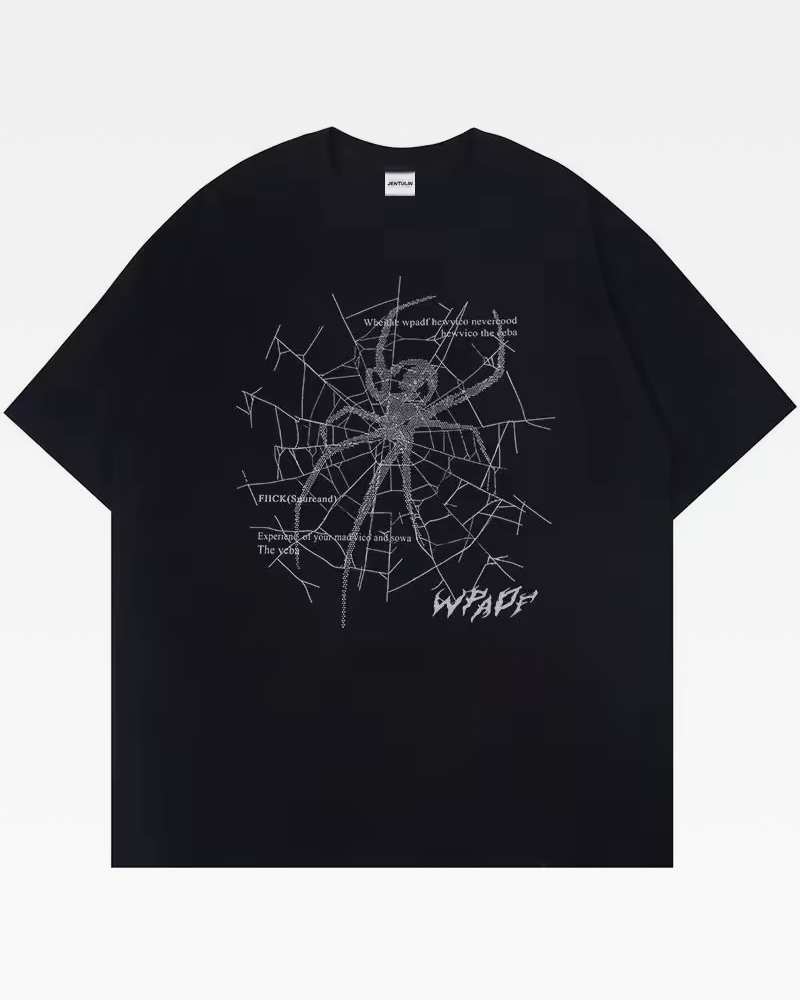
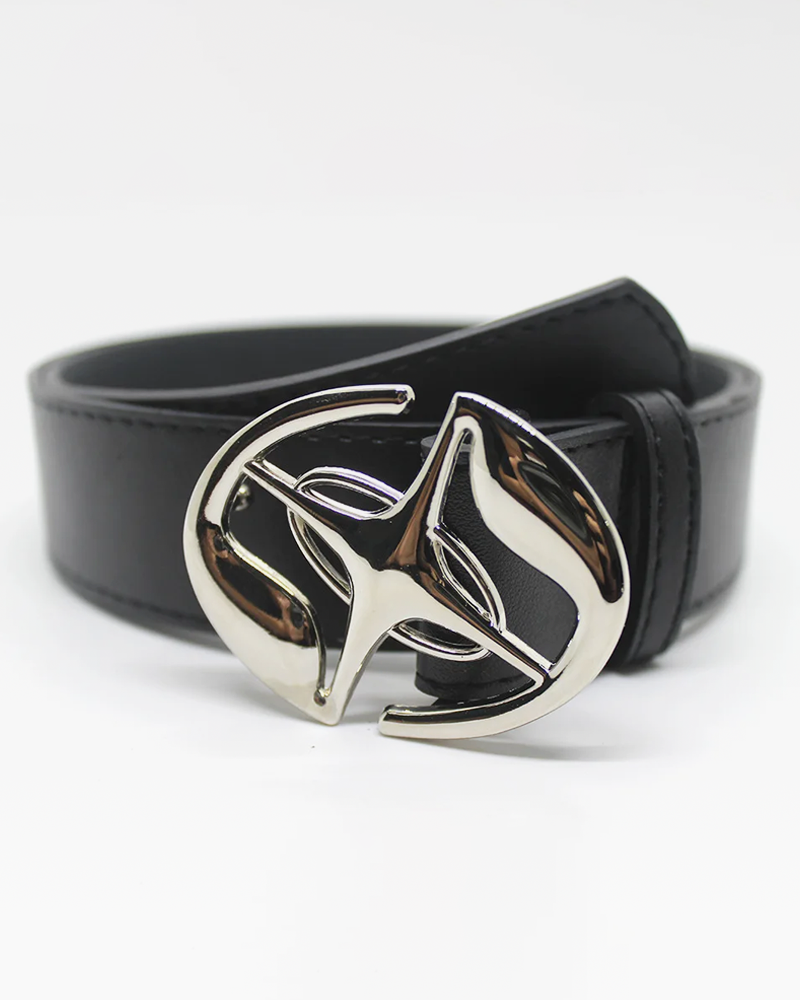
Denim itself was transformed during this period. Jeans appeared with distressed washes, rhinestones, embroidered pockets, patchwork, decorative stitching and other eye-catching details. Large belts could be added to emphasize the low waist even further.
The silhouette also worked across several different aesthetics. Fitted flared jeans could create a glamorous pop-inspired outfit, while oversized low-rise denim worked naturally with streetwear. Paired with darker tops, studded belts and alternative accessories, the same basic silhouette could even fit the emerging pop-punk and grunge-influenced styles of the decade.
As a result, low-rise jeans became much more than another denim trend. They became part of the visual identity of the era.
Why Low-Rise Jeans Disappeared

By the end of the 2000s, fashion was beginning to change. Skinny jeans became increasingly dominant, while waistlines gradually moved upward.
Mid-rise designs offered an alternative to extremely low waistbands before high-waisted jeans became one of the defining trends of the 2010s. Combined with skinny silhouettes, they created proportions that were almost the opposite of those seen a decade earlier.
Comfort also contributed to the decline of ultra-low-rise styles. Extreme cuts could be restrictive and difficult to wear, while the trend was closely connected to the narrow beauty standards promoted by much of the fashion and celebrity media of the period.
Once high-waisted denim became established, low-rise jeans quickly started to look dated. For much of the 2010s, they were viewed less as a fashionable option and more as a relic of early-2000s style.
How the Y2K Revival Brought Them Back
Fashion is cyclical, and the growing fascination with the early 2000s eventually changed perceptions of low-rise jeans.
The Y2K revival brought back baby tees, cargo pants, baguette bags, platform shoes and many other pieces that had previously disappeared from mainstream fashion. Low-rise denim naturally became part of this rediscovery.
Social media accelerated the process. Vintage celebrity photographs, old music videos and 2000s outfits began circulating among a generation discovering the era from a new perspective. Vintage and second-hand fashion also made original pieces from the period easier to find.
Fashion brands responded by introducing lower waistlines into new collections, confirming that the silhouette was no longer confined to nostalgic Y2K outfits.
Low-Rise Jeans Look Different Today

The modern revival is not an exact copy of the original trend. While extremely low waistlines have returned, many contemporary designs use a slightly higher and easier-to-wear rise.
The silhouettes have evolved too. Today's low-rise jeans are frequently baggy, straight or wide-leg rather than extremely fitted. They can be paired with simple tank tops, oversized shirts, knitwear or jackets instead of recreating a complete early-2000s outfit.
Perhaps the biggest difference is that there is no longer one dominant waistline. Low-, mid- and high-rise jeans now coexist, giving people much more freedom to choose the silhouette they prefer.
Conclusion
Low-rise jeans went from defining early-2000s fashion to becoming one of the decade's most rejected trends, only to return years later with the Y2K revival.
Their comeback shows just how cyclical fashion can be. Today's versions may be styled differently, but their connection to Y2K culture remains unmistakable. Whether they remain popular or eventually disappear once again, low-rise jeans have already secured their place as one of the most iconic pieces of 2000s fashion.
