



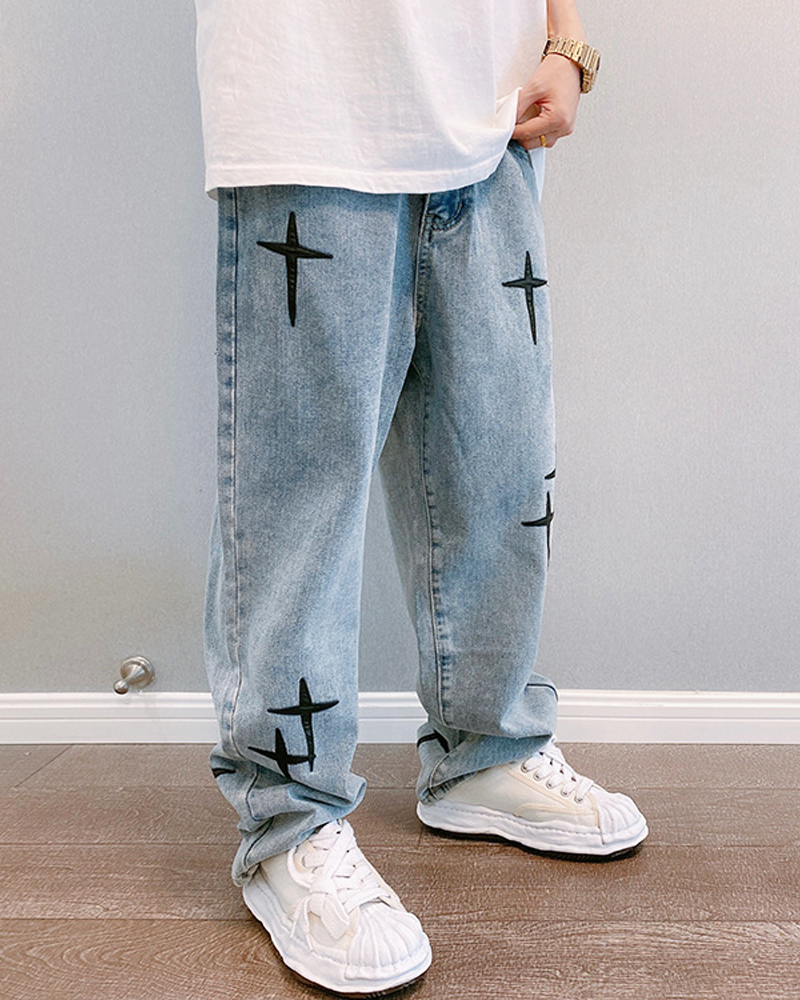


Y2K fashion is everywhere. On TikTok feeds, Instagram moodboards, and in streetwear collections across the world. Low-rise jeans, glossy fabrics, rhinestones, tiny tops, futuristic sunglasses. The look is instantly recognizable. But beyond the visuals, a deeper question keeps coming back. Is Y2K really a subculture, or just a recycled aesthetic amplified by the internet?
To answer that, it helps to understand what people usually mean when they call something a subculture.
What People Mean When They Call Y2K a Subculture
A subculture is not only about clothing. It is built on shared values, attitudes, and often a form of resistance to the mainstream. Punk rejected consumerism. Grunge pushed back against polished fashion. Hip-hop emerged as both a musical and social movement rooted in lived experience.
At first glance, Y2K seems to fit some of these ideas. It has strong visual codes and an immediate sense of recognition. Wearing Y2K today can signal belonging to an online community, especially among Gen Z. This visual cohesion is why many people label it a subculture. But visual similarity alone does not define one.

Why Y2K Was Never a Traditional Subculture
The original Y2K era, from the late 1990s to the early 2000s, was not underground. It was the mainstream. The aesthetic was driven by pop stars, glossy magazines, MTV, and global brands. It reflected optimism around technology, early internet culture, and a fascination with the future.
There was no shared ideology behind Y2K fashion. No political stance. No rejection of dominant culture. On the contrary, it embraced visibility, excess, and consumption. That alone separates it from classic subcultures, which usually emerge in opposition to what is popular at the time.
How the Internet Turned Y2K Into an Aesthetic Identity
What changed everything was the internet. Platforms like TikTok and Instagram did not simply revive Y2K. They reconstructed it. Gen Z did not experience the era directly. Instead, it was discovered through archived images, low-resolution videos, paparazzi shots, and early digital design.
The result is a curated fantasy rather than a historical reality. The internet isolated the most iconic elements of Y2K and exaggerated them. This transformed the style into an aesthetic identity, flexible, remixable, and detached from its original context.

Subculture or Algorithm-Driven Trend?
Unlike traditional subcultures, Y2K today has no fixed boundaries. It can be adopted temporarily, mixed with other styles, or worn ironically. One day it appears hyper-feminine and glossy, the next day cyber-inspired and aggressive.
Algorithms play a central role in this. Instead of forming through physical communities or shared experiences, Y2K spreads through recommendation systems. Belonging is created visually, reinforced by likes and views, and dissolved just as quickly. This fluidity is fundamentally different from the depth of classic subcultures.
Conclusion
Y2K is not a subculture in the traditional sense. It lacks ideology, resistance, and long-term structure. What it represents instead is a modern form of aesthetic belonging, shaped by nostalgia and the internet.
Y2K is a visual language rather than a movement. A way to remix the past, express identity, and navigate culture in a world driven by images.

