
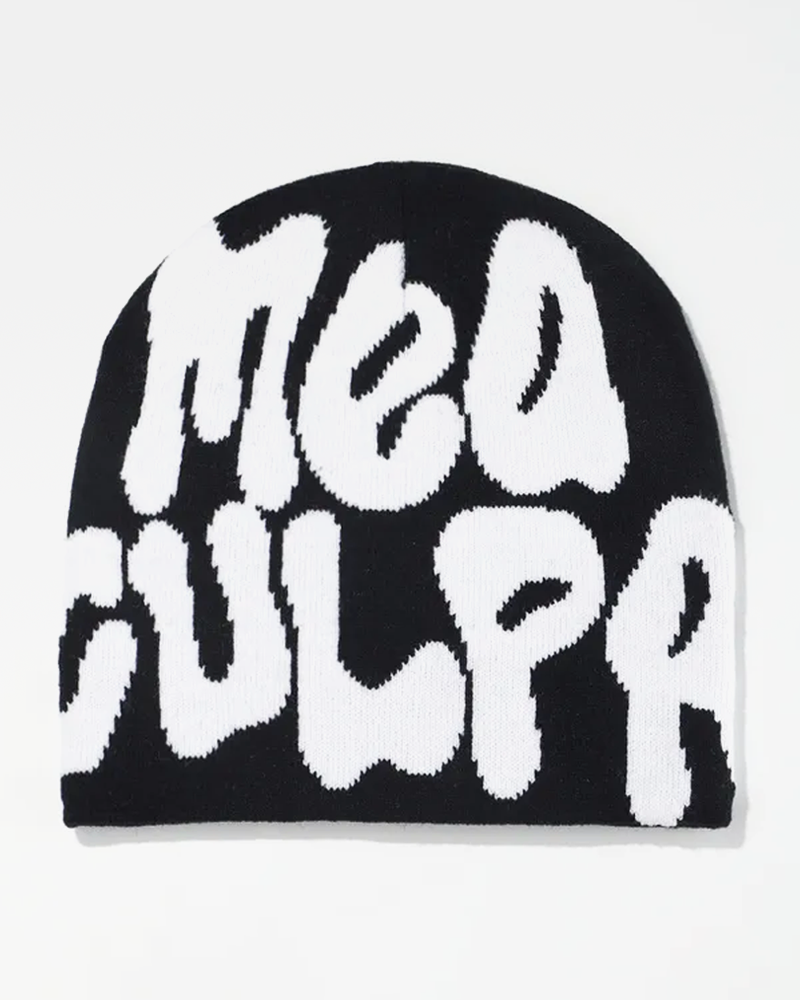

Skateboarding had a major influence on fashion during the late 1990s and early 2000s. What began as a practical way of dressing for skating gradually became a recognizable streetwear aesthetic, influencing everything from baggy jeans and oversized T-shirts to sneakers and graphic hoodies.
As skateboarding gained mainstream popularity through video games, music, magazines, and television, its clothing style reached audiences far beyond skateparks. Many of the pieces associated with Y2K streetwear were directly influenced by the skate culture of the era.
The Rise of Skate Culture in the Late 1990s

Skateboarding existed long before the Y2K era, but the late 1990s marked an important period in its mainstream popularity.
Professional skateboarders such as Tony Hawk became widely recognized, while events like the X Games introduced skateboarding to larger television audiences. The release of Tony Hawk's Pro Skater in 1999 also helped bring skate culture into millions of homes.
At the same time, skateboarding developed close connections with punk rock, hip-hop, and alternative music. These influences shaped the clothing worn by skaters, creating a distinctive combination of casual sportswear and rebellious street fashion.
Brands such as DC Shoes, Etnies, éS, and Element became closely associated with the scene, while skate-inspired clothing began appearing in mainstream fashion.
Baggy Jeans and Loose-Fitting Pants

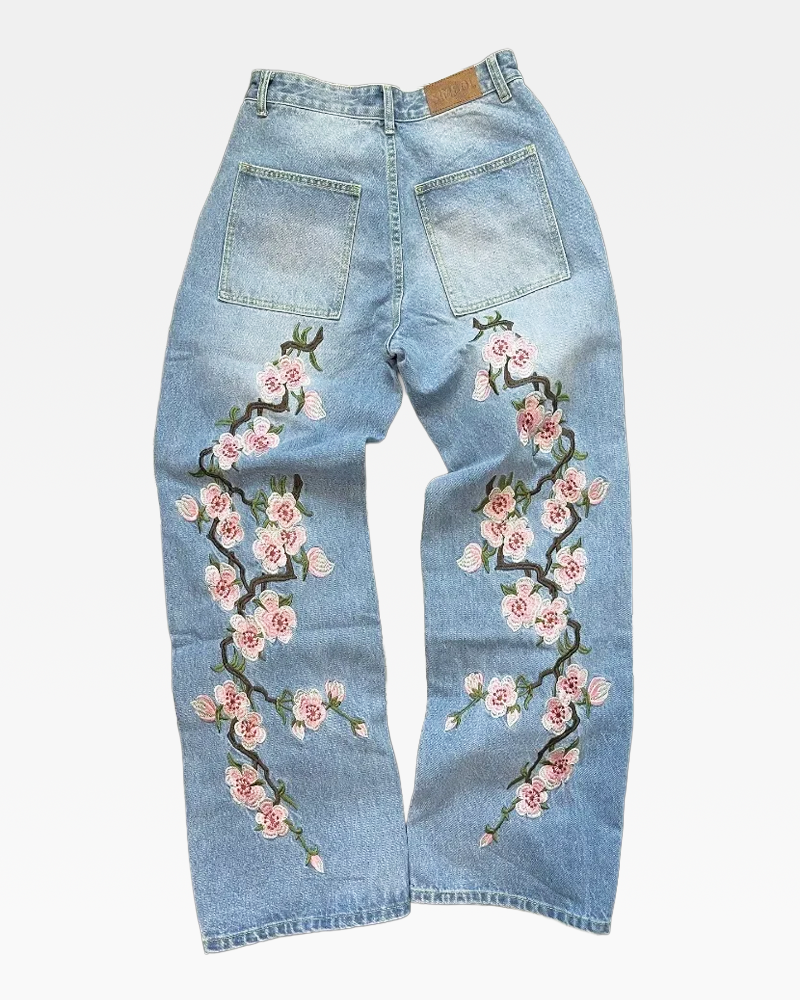
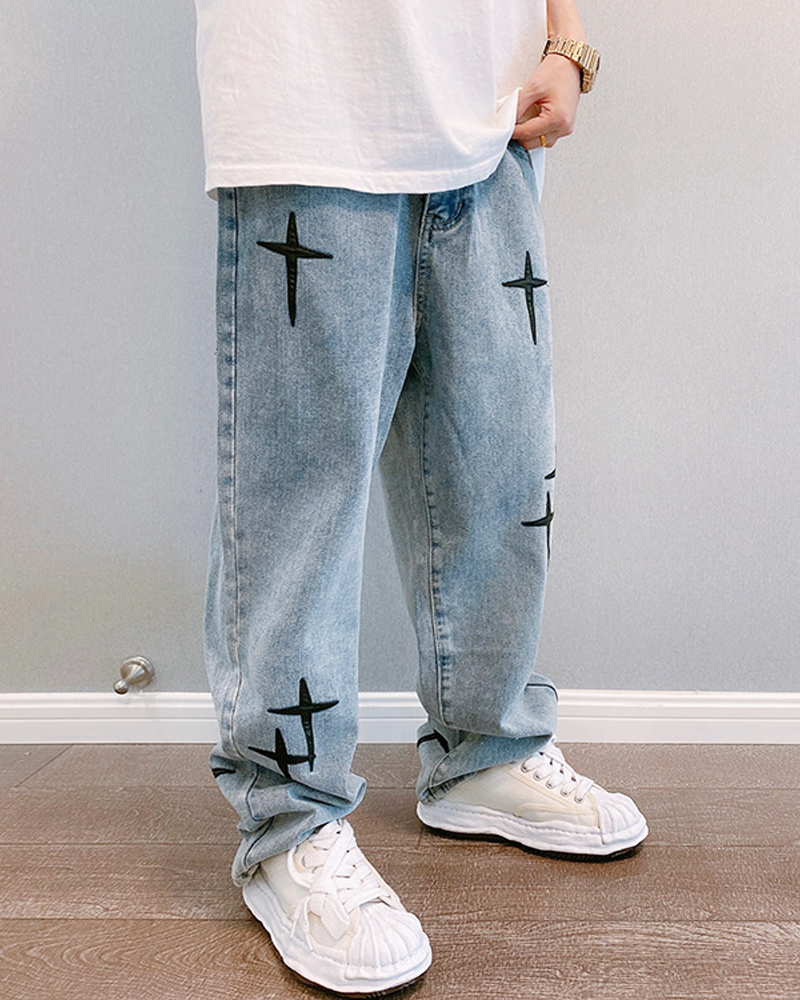
One of skate culture's most recognizable contributions to Y2K fashion was the popularity of baggy pants.
Loose-fitting jeans offered skaters greater freedom of movement and were better suited to the physical demands of skateboarding than restrictive clothing. Wide-leg silhouettes also reflected the influence of hip-hop fashion, which had become increasingly connected to skate culture.
During the early 2000s, baggy jeans were often worn low on the waist, sometimes revealing oversized T-shirts or boxer waistbands.
Brands such as JNCO, Dickies, and various skatewear labels contributed to the popularity of loose-fitting pants, although their audiences extended beyond skateboarding.
Cargo pants and relaxed workwear trousers also became common choices, combining practical pockets with a casual silhouette.
These styles eventually became essential elements of Y2K streetwear, even among people who had never stepped on a skateboard.
Oversized Graphic T-Shirts and Hoodies

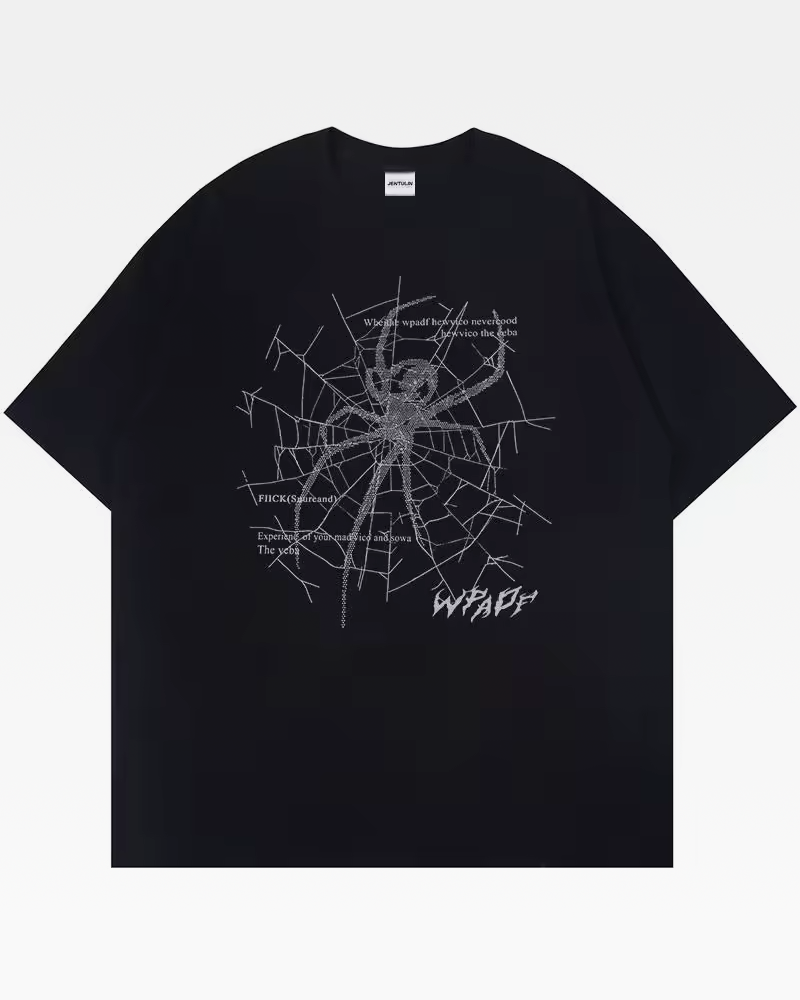
Graphic T-shirts were another defining feature of early-2000s skate fashion.
Skaters frequently wore oversized shirts featuring skate brand logos, illustrated graphics, bold typography, and references to music or popular culture.
Brands such as World Industries, Blind, Toy Machine, and Zero became known for their distinctive graphics, which helped establish a visual identity for skateboarding.
Oversized hoodies were equally popular, particularly during colder months. Pullover designs featuring large front prints, logos, and contrasting colors became everyday essentials.
These garments were easy to wear, relatively affordable, and closely connected to the music and youth culture surrounding skateboarding.
As Y2K streetwear developed, oversized graphic clothing became popular well beyond the skateboarding community.
Skate Shoes Became Everyday Sneakers

Footwear was one of the areas where skateboarding had the greatest impact on early-2000s fashion.
Skate shoes needed to provide grip, durability, and protection, which encouraged brands to develop designs with reinforced construction, padded tongues, and thick soles.
During the late 1990s and early 2000s, chunky skate shoes became especially popular. Models from brands such as DC Shoes, Osiris, Etnies, and éS featured wide silhouettes, prominent logos, and substantial padding.
The Osiris D3, originally released in 1999, became one of the most recognizable examples of this exaggerated footwear aesthetic.
Vans also remained an important part of skate culture, with classic silhouettes such as the Old Skool and Half Cab continuing to attract skaters and casual wearers.
Eventually, skate shoes became everyday fashion items, frequently paired with baggy jeans, cargo pants, and oversized T-shirts.
The Influence of Skateboarding on Music and Pop Culture

Skate fashion became increasingly visible as skateboarding entered mainstream entertainment.
Video games such as Tony Hawk's Pro Skater introduced players to professional skaters, skatewear brands, and soundtracks featuring punk rock, hip-hop, and alternative music.
At the same time, pop-punk bands such as Blink-182 and Sum 41 helped popularize clothing associated with skate culture. Baggy shorts, graphic T-shirts, skate shoes, and baseball caps became recognizable elements of the pop-punk aesthetic.
MTV also contributed to skateboarding's visibility through music videos and television programs. Shows such as Jackass, which premiered in 2000, brought several personalities connected to skateboarding into popular culture.
This exposure helped transform skate-inspired clothing from a subcultural style into a mainstream fashion trend.
How Skate Fashion Influences Y2K Style Today

The modern Y2K revival has brought many early-2000s skatewear trends back into fashion.
Baggy jeans, oversized graphic tees, chunky sneakers, and relaxed cargo pants have become popular again, particularly within contemporary streetwear.
Unlike some of the more glamorous trends associated with Y2K fashion, skate-inspired outfits emphasize casual silhouettes and practical clothing.
A typical skate-influenced Y2K outfit might combine wide-leg jeans with an oversized graphic T-shirt, chunky sneakers, and a baseball cap.
The continued popularity of these pieces demonstrates how skateboarding helped establish a streetwear aesthetic that remains relevant decades later.
Conclusion
Skate culture played an important role in shaping Y2K fashion, influencing the silhouettes, footwear, and graphic designs that defined early-2000s streetwear.
From baggy jeans and oversized hoodies to chunky skate shoes, many of the era's most recognizable clothing trends developed through the intersection of skateboarding, music, and youth culture.
Although these styles eventually became mainstream, their roots in skate culture remain an essential part of Y2K fashion history.
